








Blog
November 28, 2025
Shipping Containers: The Backbone of Global Trade
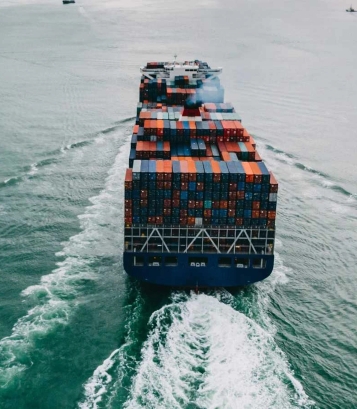
Shipping containers revolutionized global trade by providing a standardized, secure, and cost-effective way to transport goods across continents. Today, they are the lifeline of international logistics, enabling businesses to move everything from consumer products to industrial machinery efficiently.
In this comprehensive guide, we’ll explore what shipping containers are, their types, uses, benefits, challenges, and future trends—perfect for businesses, logistics professionals, and anyone interested in global trade.
What Are Shipping Containers?
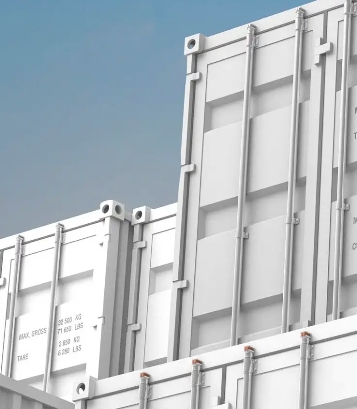
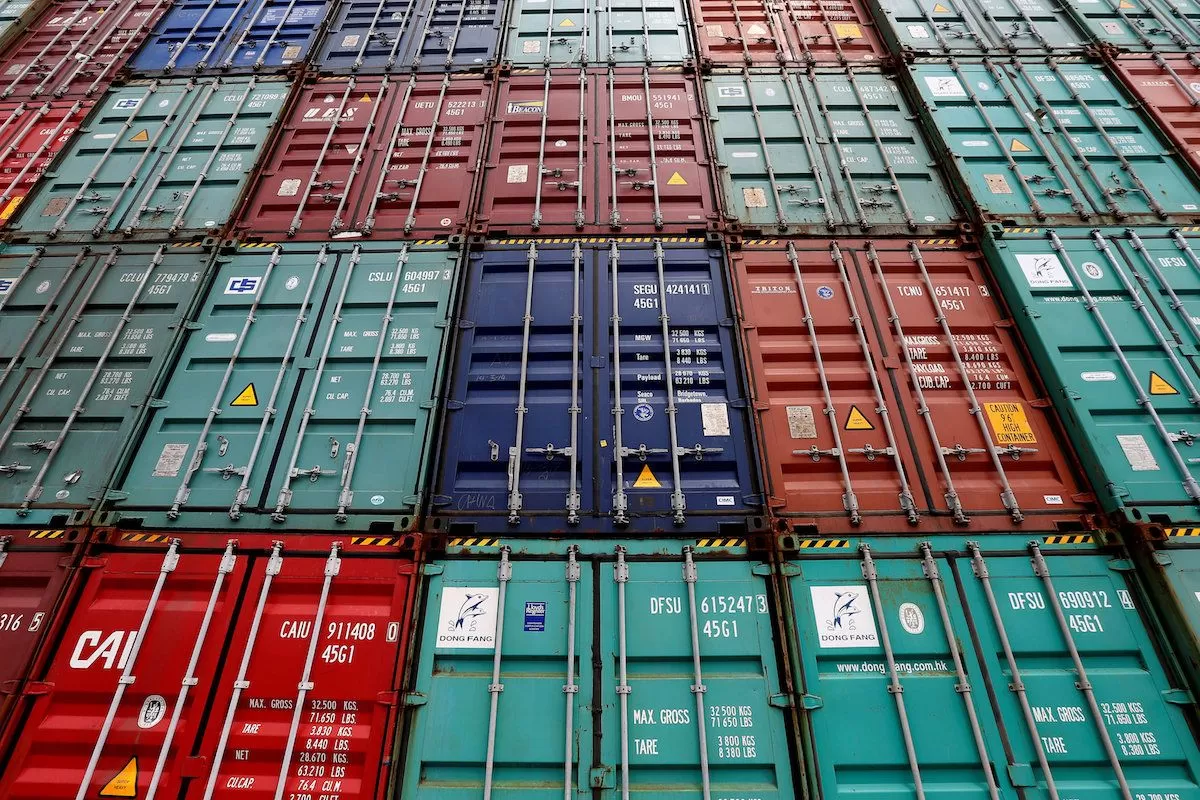
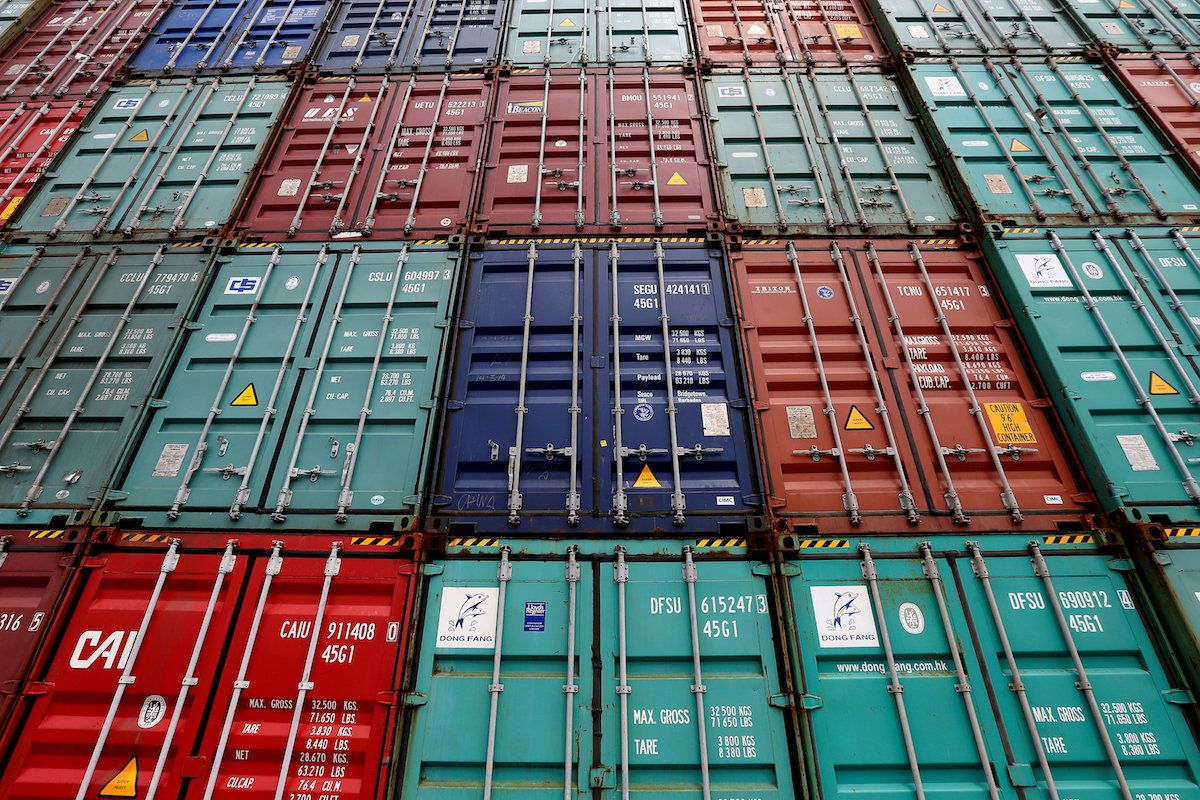
Shipping containers are large, standardized metal boxes designed to store and transport goods safely. They are built to withstand harsh conditions during sea, rail, and road transit. Most containers are made of corrosion-resistant steel, ensuring durability and long service life.
Why Are They Important?
- Enable intermodal transport (ship, rail, truck) without repacking cargo.
- Reduce shipping costs through standardization.
- Provide security and protection against theft and weather.
Types of Shipping Containers
Shipping containers come in various types to suit different cargo needs:
1. Dry Containers
- Most common type.
- Used for non-perishable goods like electronics, clothing, and furniture.
- Sizes: 20ft and 40ft.
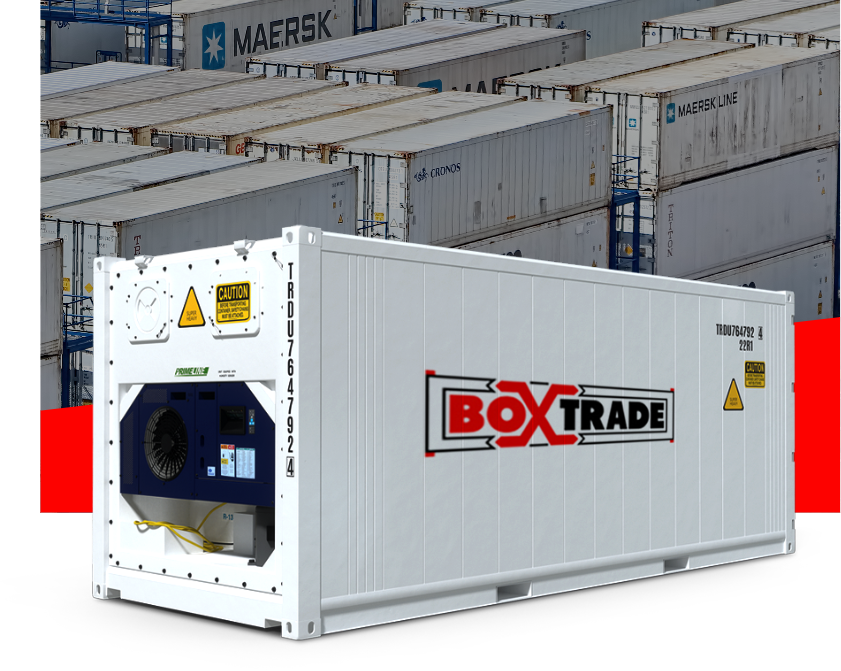
2. Refrigerated Containers (Reefers)
- Equipped with cooling systems.
- Ideal for perishable goods like fruits, vegetables, and pharmaceuticals.
3. Open-Top Containers
- No fixed roof; covered with tarpaulin.
- Perfect for tall cargo like machinery and timber.
4. Flat Rack Containers
- No side walls or roof; only end walls.
- Designed for oversized cargo like vehicles and heavy equipment.
5. Tank Containers
- Cylindrical tanks inside a frame.
- Used for transporting liquids and chemicals.
- Standard Sizes
- 20-Foot Container: ~33 cubic meters capacity.
- 40-Foot Container: ~67 cubic meters capacity.
- High Cube Container: Extra height for bulky cargo.
Advantages of Shipping Containers
- Cost-Effective: Lower shipping costs due to standardization.
- Secure: Lockable doors protect cargo from theft.
- Durable: Built to withstand extreme weather and rough handling.
- Versatile: Suitable for almost all types of cargo.
- Eco-Friendly: Containers can be reused and recycled.
- Challenges
- Space Optimization: Poor packing leads to wasted space.
- Maintenance: Requires regular inspection for rust and damage.
- Availability Issues: High demand during peak seasons can cause shortages.
Industry Trends
- Smart Containers: IoT sensors and GPS for real-time tracking.
- Sustainability: Recycling old containers and using eco-friendly materials.
- E-Commerce Boom: Increased demand for containerized shipping globally.
Best Practices for Businesses
- Plan Ahead: Book containers early during peak seasons.
- Optimize Packing: Use pallets and proper packaging to maximize space.
- Check Regulations: Ensure compliance with international shipping standards.
- Consider Insurance: Protect cargo against potential risks.
Future of Shipping Containers
The future lies in technology and sustainability. Smart containers will enhance supply chain visibility, while green initiatives will reduce environmental impact. As global trade expands, shipping containers will remain the backbone of logistics.